
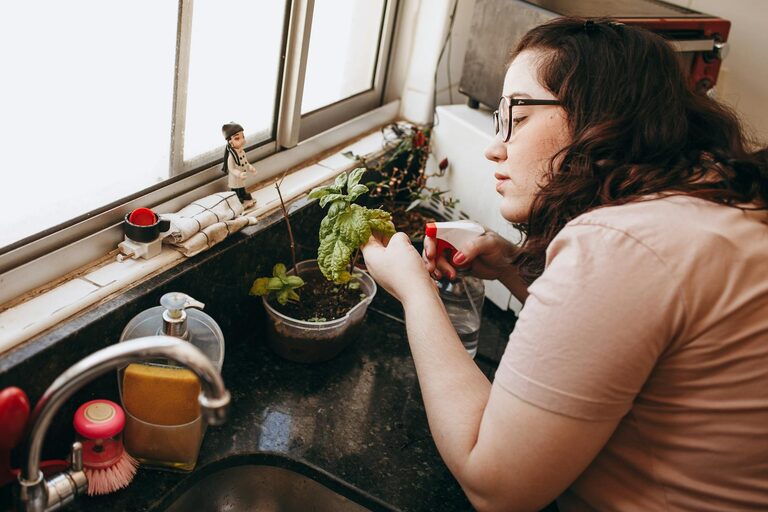
Bringing plants into your home is one of the simplest and most rewarding ways to refresh your living space. They add natural beauty, improve air quality, and create a calming atmosphere. Whether you are new to plants or looking to expand your green collection, this guide will help you choose the right plants, arrange them stylishly, and care for them effectively.
Why Add Plants to Your Home?
Plants don’t just look great—they offer multiple benefits:
– Improved air quality: Many indoor plants help filter toxins and produce oxygen.
– Stress reduction: Being around greenery can boost mood and lower stress levels.
– Natural decor: Plants add texture and color, complementing any style.
– Humidifying effect: They release moisture, which can be helpful in dry environments.
With so many advantages, adding plants to your home is a win-win.
Choosing the Right Plants for Your Space
Selecting plants that suit your home environment and lifestyle is important to keep them thriving.
Consider light levels
Different plants have varied light needs. Start by assessing the natural light in your rooms:
– Low light: Ideal for bedrooms or closets; plants like snake plant, pothos, and cast iron plant thrive here.
– Medium light: Suitable for most living rooms; try spider plants, peace lilies, or philodendrons.
– Bright light: Near south or west-facing windows; succulents, fiddle leaf figs, and aloe vera love bright spots.
Think about care and maintenance
Be honest about how much time you can devote to plant care:
– Low maintenance: Succulents, ZZ plants, and pothos require less watering and attention.
– Medium care: Spider plants and peace lilies need occasional watering and trimming.
– High maintenance: Ferns and orchids may need more frequent watering and humidity control.
Size and placement
Consider the space where you want to add plants:
– Small plants work well on desks, shelves, or windowsills.
– Medium plants can brighten up side tables or corners.
– Large plants like rubber trees can become a focal point on the floor.
Stylish Ways to Arrange Plants at Home
Plants can be both accents and focal points in your room design. Here are some ideas to display them beautifully:
Group plants together
Arranging several plants of different shapes and sizes creates visual interest. Use plant stands or shelves to layer heights and avoid crowding.
Use decorative pots
Choose pots that complement your decor style—from minimalist ceramics to colorful or patterned containers. Consider coordinating pots in the same color family for a cohesive look.
Hang plants
Macramé hangers or wall-mounted planters are ideal for trailing plants like ivy or string of pearls. They save floor space and add dimension.
Create a dedicated plant corner
Transform a corner with a mix of floor plants, table plants, and hanging pots. Add a cozy chair or small table to make it inviting.
Basic Plant Care Tips
Keeping plants healthy doesn’t have to be complicated. Follow these guidelines to support their growth:
Watering
– Check soil moisture before watering; most plants prefer the soil to dry out somewhat between waterings.
– Avoid overwatering—too much water can cause root rot.
– Use room temperature water and water at the base rather than wetting leaves.
Light adjustment
Move plants as needed if they show signs of too much or too little light, such as yellowing leaves or leaning toward the window.
Feeding and pruning
– Use a balanced houseplant fertilizer during growing seasons (spring and summer).
– Trim dead or yellow leaves regularly to promote new growth and maintain appearance.
Pest control
Inspect leaves for signs of pests such as sticky residue or webs. Wipe leaves gently and consider natural remedies if pests appear.
Final Thoughts
Introducing plants into your home is a fun and rewarding way to refresh your space and enjoy the many benefits of greenery. Start with a few easy-care plants, arrange them to suit your style, and watch how your home transforms into a vibrant, inviting haven.
With consistent care and a little creativity, your home will thrive with the natural beauty of plants year-round. Happy planting!