
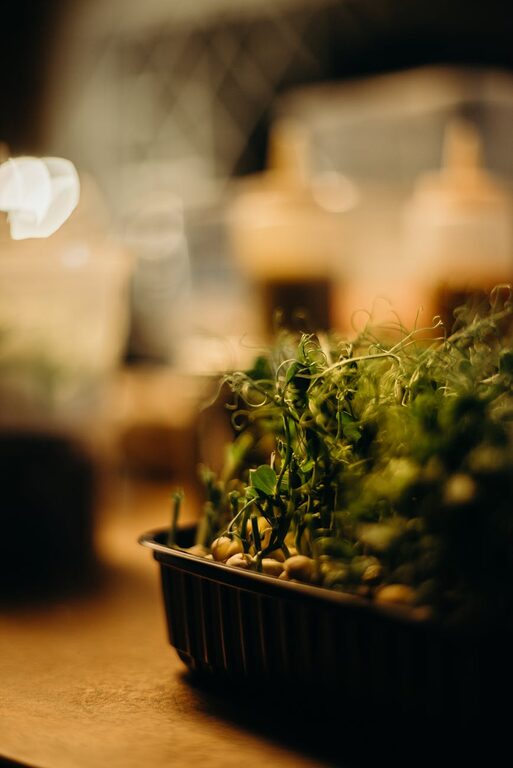
Starting a small herb garden indoors is a rewarding and practical way to bring fresh flavors to your kitchen. Whether you have limited outdoor space or just want to try your hand at growing your own herbs, an indoor garden can provide fresh, aromatic ingredients all year round. This guide will walk you through the essential steps to set up and care for your small indoor herb garden.
Why Grow Herbs Indoors?
Growing herbs indoors comes with many benefits:
– Convenience: Fresh herbs are just a reach away when cooking.
– Year-round growth: No need to worry about seasons or weather conditions.
– Air quality: Many herbs help purify indoor air.
– Cost-saving: Growing your own herbs can reduce grocery bills.
– Decorative: Herb pots add greenery and charm to any room.
Choosing the Right Herbs for Indoor Gardening
Not all herbs thrive indoors, so start with those that adapt well to indoor conditions. Some popular and easy-to-grow options include:
– Basil: A flavorful herb that needs lots of sunlight.
– Mint: Very hardy and grows quickly; prefers moderate light.
– Parsley: A biennial herb that enjoys indirect sunlight.
– Chives: Great for pots and adds a mild onion flavor.
– Thyme: Requires bright light and well-drained soil.
– Cilantro: Prefers cooler temperatures and bright areas.
– Oregano: Needs full sunlight and well-drained soil.
When choosing herbs, consider what you use most in your cooking and how much care you can provide.
Setting Up Your Indoor Herb Garden
1. Choose the Right Containers
Herbs can grow in a variety of containers, but size and drainage are important.
– Size: Choose pots at least 4-6 inches deep for root growth.
– Material: Terra cotta pots allow airflow; plastic pots retain moisture well.
– Drainage: Ensure pots have drainage holes to prevent waterlogging.
2. Select Quality Potting Soil
Use a high-quality potting mix designed for indoor plants. Avoid garden soil, which may be heavy and hold too much water.
3. Find a Suitable Location
Most herbs need 6-8 hours of sunlight daily.
– Windowsills: South or southwest-facing windows are ideal.
– Under grow lights: If natural light is limited, invest in LED grow lights.
– Avoid drafts: Keep herbs away from cold drafts or heating vents.
Planting Your Herbs
You can start your herb garden by:
– Seeds: More affordable and rewarding but slower to grow.
– Seedlings: Faster results, easier for beginners.
If using seeds:
– Follow specific instructions on seed packets.
– Plant at appropriate depths.
– Keep soil moist but not soggy.
– Use trays or small pots initially, then transplant to larger containers.
If using seedlings:
– Gently remove plants from nursery pots.
– Plant at the same depth as they were growing.
– Water immediately after planting.
Caring for Your Indoor Herb Garden
Watering
– Check soil moisture regularly.
– Water when the top inch of soil feels dry.
– Avoid overwatering, which can cause root rot.
– Use room temperature water.
Light Management
– Rotate pots weekly to ensure even growth.
– Supplement natural light with grow lights if necessary.
– Remove yellow or weak leaves.
Fertilizing
– Use a balanced liquid fertilizer once a month.
– Dilute fertilizer to half the recommended strength to avoid overfeeding.
Pruning and Harvesting
– Pinch back herbs regularly to encourage bushier growth.
– Harvest leaves in the morning for best flavor.
– Avoid removing more than one-third of the plant at a time.
Common Challenges and Solutions
| Challenge | Possible Cause | Solution |
|———————|———————–|——————————-|
| Wilting or yellow leaves | Overwatering or poor drainage | Check drainage; reduce watering |
| Leggy growth | Insufficient light | Increase light exposure or use grow lights |
| Pest infestation | Dry or humid conditions | Inspect plants regularly, use natural pest control |
| Slow growth | Nutrient deficiency | Fertilize lightly; check soil health |
Tips for Success
– Start small with a few herbs you use often.
– Keep a gardening journal to track watering and growth.
– Use clean pots and tools to prevent diseases.
– Experiment with different locations and light to find what works best.
– Enjoy the process—herb gardening indoors is both fun and useful!
Conclusion
Starting a small indoor herb garden is easier than many think. With a little preparation, the right herbs, and proper care, you can enjoy fresh, homegrown herbs year-round. Whether you are a beginner or looking to refine your gardening skills, this indoor herb garden will brighten your space and your meals.
Happy gardening!